
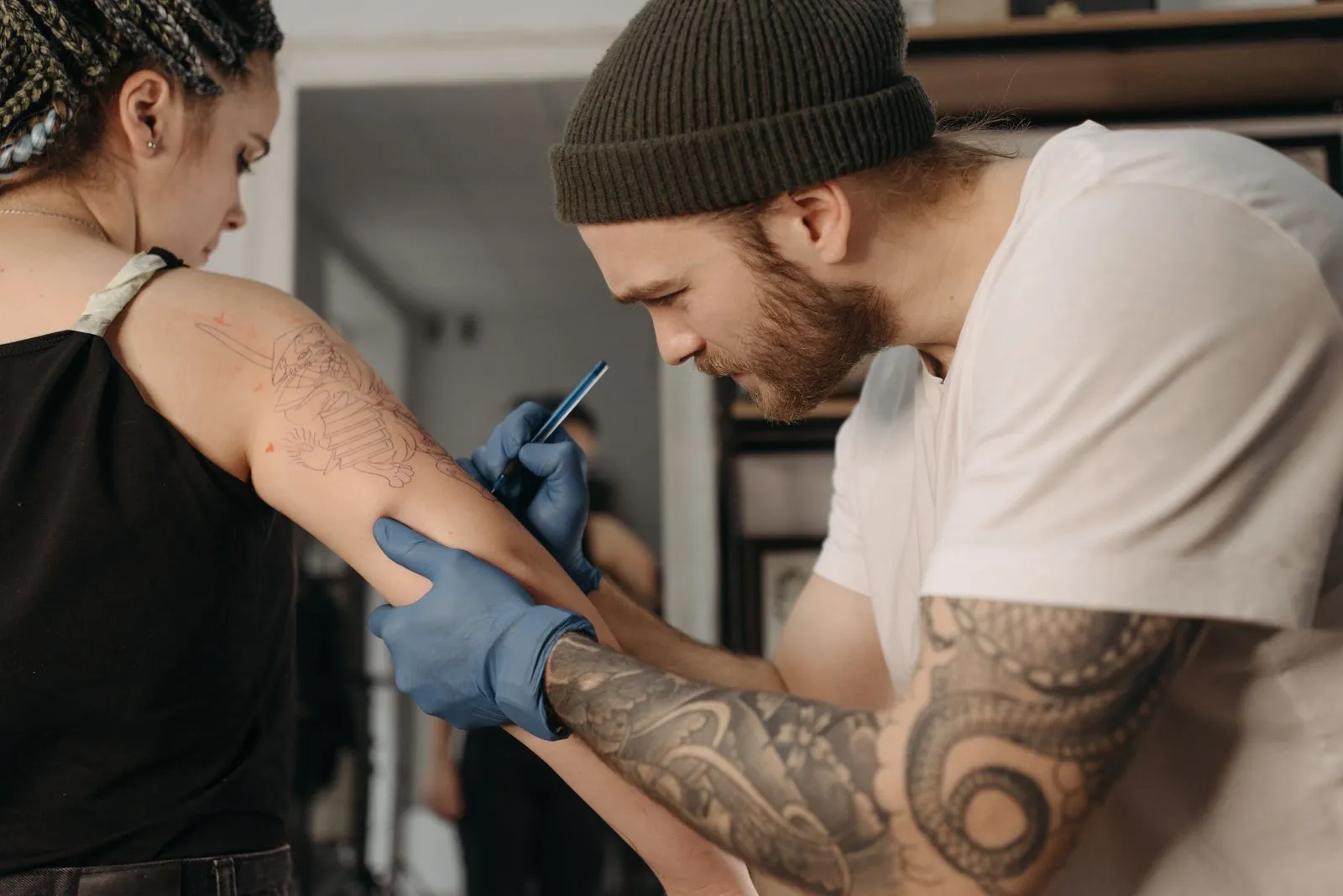
A little preparation can help your piercing appointment feel calmer and more straightforward. Before you go, think about your health, the jewelry you want, and what you’d like to ask. A professional piercer should explain the process, discuss risks and aftercare, and give you time to make an informed choice. These practical steps can help you arrive ready to talk through your options and know what to expect before the needle comes out.
Prepare Before You Arrive
Eat a meal beforehand and drink water so you’re not arriving hungry or dehydrated. Wear comfortable clothing that gives the piercer easy access to the area, and avoid alcohol or recreational drugs before your appointment. Bring a valid photo ID, and check the studio’s age and consent requirements in advance. If you feel unwell on the day, contact the studio to ask whether you should reschedule.
Think about relevant health details before your visit. Tell your piercer about allergies, medications, skin conditions, healing concerns, or a history of fainting. Don’t stop prescribed medication without advice from your healthcare provider. If you’re unsure whether a health issue affects piercing, ask the studio before booking so they can explain what information they need.
Choose Jewelry With Care
Bring inspiration photos if you have a particular look in mind, but stay open to jewelry that suits your anatomy and the piercing location. Initial jewelry needs room for swelling and should be designed for healing, so the piece you start with may differ from the final style you want. Your piercer can assess placement and explain which shapes and sizes are appropriate.
Ask what the jewelry is made of, how it will fit, and whether it can be changed during healing. Materials such as implant-grade titanium are commonly used for fresh piercings, but suitability depends on your needs and the studio’s professional guidance. Avoid choosing only by appearance or bringing jewelry of unknown material; the right fit and quality matter for comfort and healing.
Know What Happens During
Your piercer should review the placement, jewelry, risks, and aftercare with you before starting. They’ll check the area, mark the proposed spot, and give you a chance to look at the placement in a mirror. Speak up if the mark doesn’t match what you discussed. You can ask for an adjustment or pause before giving consent.
The piercer should use sterile, single-use equipment where appropriate, open packaged tools in front of you, and follow clean procedures. The piercing itself is usually brief, but discomfort varies by person and location. Follow the piercer’s instructions for positioning and breathing, and tell them if you feel faint or need a moment. You can ask them to stop at any time.
Bring Questions to Ask
Useful questions include: What jewelry material and size do you recommend for this placement? What risks or healing challenges should I understand? How should I clean the piercing, and what products should I avoid? Ask how long healing may take, when downsizing or changing jewelry might be appropriate, and what signs mean you should contact the studio or a healthcare professional.
You can also ask about the piercer’s experience with your chosen placement, how tools and jewelry are sterilized, and what follow-up support is available. A good consultation should leave room for questions without pressure. At Bright Needle in Fort Worth, bring your ideas and concerns so the conversation can cover placement, jewelry, and aftercare before you decide.
Preparing means knowing your health details, considering jewelry options, and making space for questions—not having every decision settled in advance. Take time to review the placement and aftercare plan before consenting. If anything feels unclear, ask for an explanation or pause the appointment. When you’re ready, contact a qualified local piercer to discuss your options.